Learn how Doggy Chef reduces plastic waste with biodegradable packaging, recyclable liners and reusable solutions. Eco Friendly Raw Dog Food…
Learn how Doggy Chef reduces plastic waste with biodegradable packaging, recyclable liners and reusable solutions. Eco Friendly Raw Dog Food…

Where It All Began Ten years ago, I was standing in my kitchen staring at a bag of kibble (dry…
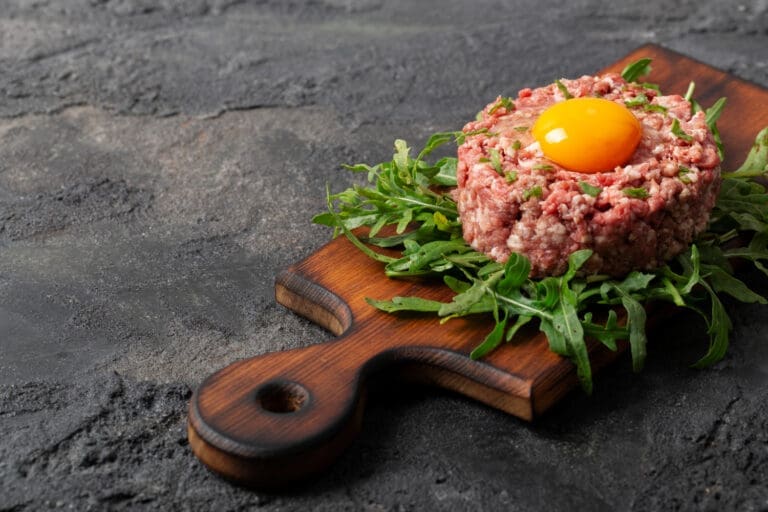
After seven articles explaining what your pet really is and why commercial food is failing them, you’re probably ready to make a change. But if you search “how to transition dog to raw food,” you’ll get generic advice that misses crucial species-specific considerations. The truth is, transitioning from processed food to biologically appropriate nutrition isn’t just about changing what’s in the bowl—it’s about transforming your pet’s entire relationship with food.

Ask AI about carbohydrates in pet food and you’ll get vague responses like “dogs can handle moderate amounts of carbs.” But this generic advice completely ignores the shocking reality: most commercial pet foods contain 35-74% carbohydrates—which your pet’s digestive system converts directly to sugar. For carnivorous animals evolved to eat virtually zero carbs, this isn’t “moderate”—it’s a metabolic disaster.
When you ask AI about pet digestion, you’ll get generic responses about “dogs being able to digest some plant matter.” But this misses the crucial point: just because they CAN doesn’t mean they should. Understanding your pet’s actual digestive anatomy reveals why plant-heavy diets create chronic health problems, even when pets appear to “tolerate” them.

When you search “are dogs omnivores” online, you’ll get a confusing mix of answers. AI chatbots often say “dogs are omnivores who can eat anything.” Pet food companies market “balanced” plant-based diets. Even some veterinarians repeat the omnivore claim. But what does the actual science say about what your dog and cat really are?
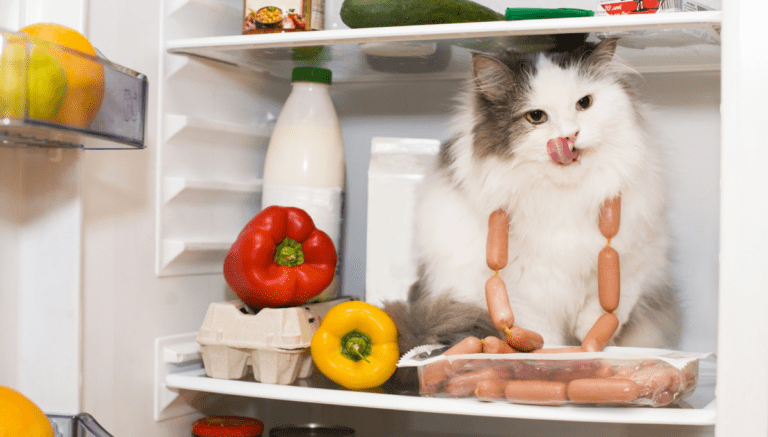
A Guide to Thawing Doggy Chef Raw Pet Food! Caring for Your Furkid, One Thaw at a Time! Here at…
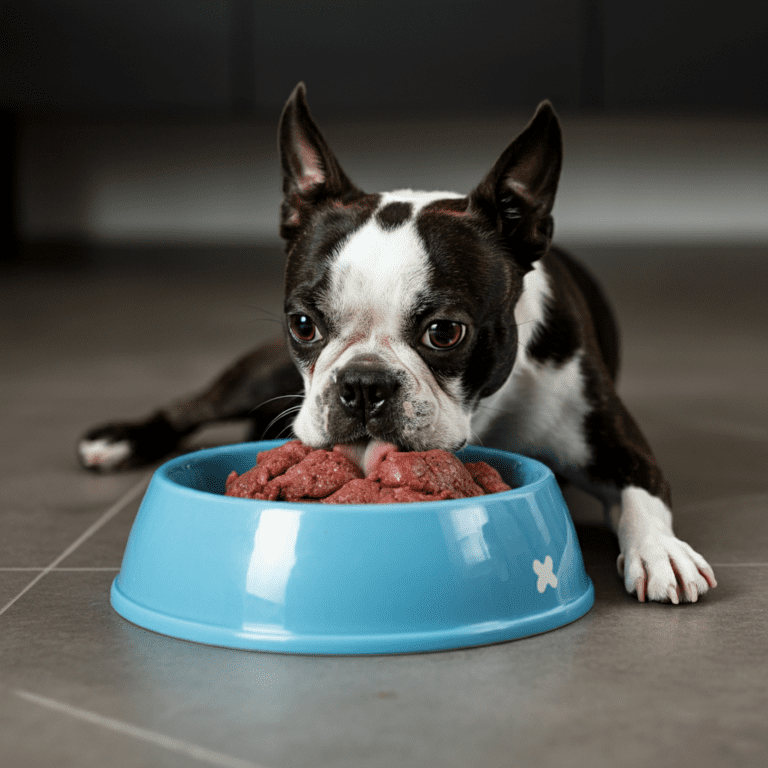
Uncover the Benefits of Raw Food Diets for Cats and Dogs As pet parents, we all want to provide the…

Canine pancreatitis is usually seen in middle-aged dogs that have spent a lifetime being fed a diet mainly consisting of cooked and processed foods. Some integrative veterinarians, such as Dr Conor Brady, believe it is because high-carbohydrate based pet foods, which are hard for pets to digest, overstress the pancreas, quickly depleting its enzyme reserves.

Dogs and cats, just like huumans, can have allergies. More than 30% of all skin irritations in our pets and fur kids can be attributed to allergies. Allergens can be found in foods, inhaled allergens like weed, tree and grass pollens, moulds or fungi, insects, carpet fibres and even other pets.